
The colourful, pastel mobile you bought is likely invisible to your newborn; their developing eyes and brain can only process high-contrast, black-and-white patterns at a very specific distance.
- A newborn’s vision is fixed at a 20-30cm range, and they lack the retinal cells (cones) to perceive colour until around 8 weeks.
- Simple, bold black-and-white shapes provide the exact level of visual input needed to stimulate neural pathway development without causing overwhelming stress.
Recommendation: Instead of focusing on colour, use high-contrast cards at the correct distance during short, interactive sessions (like tummy time) to support both visual and motor skill development.
As a new parent in the UK, you’ve likely decorated the nursery with soft, pastel colours and a charming mobile featuring a menagerie of colourful animals. You hold up a bright, multi-coloured rattle, but your newborn’s gaze seems unfocused, or worse, they look right past it. This experience is common and often confusing. The baby industry is saturated with vibrant toys, yet the key to your newborn’s early visual engagement lies in a far simpler, more ancient principle: high contrast.
The common advice to « use black and white cards » often stops there, leaving parents with the ‘what’ but not the crucial ‘why’. This lack of understanding can lead to either dismissing the tool or using it improperly, causing overstimulation. The truth is, your baby’s visual world is a work in progress, governed by precise neurological and physiological rules. It’s not about which toys are « best, » but about providing the right input at the right time.
This guide, grounded in paediatric optometry, moves beyond the trend to explain the science. We’ll dismantle the myth that « more is more » when it comes to stimulation. Instead of a race to see colour, think of this as building the very foundations of vision, perception, and even physical coordination. By understanding the mechanics of your baby’s eyes, you can turn a simple black-and-white card into a powerful tool for connection and development.
We will explore the specific limitations of newborn vision, provide practical steps for using high-contrast tools effectively, and show how this visual input is intrinsically linked to motor skills and even the establishment of sleep patterns. This article provides a clear roadmap to supporting your baby’s incredible journey of learning to see the world.
Summary: Why Black and White Cards Capture Your Newborn’s Attention Better Than Colourful Toys?
- Why Your Newborn Can Only See 20-30cm and Cannot Process Pastel Colours Yet?
- How to Use High-Contrast Cards at the Right Distance and Angle for Maximum Engagement?
- When to Transition From High-Contrast Cards to Primary Colours at Week 8?
- Why Showing Cards Every Waking Moment Overwhelms Rather Than Stimulates Your Baby?
- How to Use High-Contrast Cards During Tummy Time to Double the Developmental Benefit?
- Why Moving a High-Contrast Toy Across Your Baby’s Vision Builds Neck Muscles?
- Why Your Newborn Has No Concept of Night Until Their Brain Develops at Week 8?
- Why Your Baby Confuses Day and Night Until You Control the Light at 6 Weeks?
Why Your Newborn Can Only See 20-30cm and Cannot Process Pastel Colours Yet?
A newborn’s world is a blurry, monochromatic place by design. Their visual system is one of the last to fully mature, and at birth, it is equipped with only the most essential functions. The first and most critical limitation is their focal distance. According to the American Academy of Pediatrics, a newborn’s clearest vision is within a very narrow range of 8 to 12 inches (about 20 to 30 cm). This is no accident; it’s the approximate distance from their eyes to your face when you are holding and feeding them, hardwiring them to focus on their primary caregiver.
The second limitation is colour. The retina, the light-sensitive tissue at the back of the eye, contains two types of photoreceptor cells: rods and cones. Rods detect light and motion and are well-developed at birth, making them sensitive to contrast. Cones are responsible for colour vision and fine detail, but they are immature in a newborn. Consequently, your baby cannot perceive the subtle shades of a pastel pink or baby blue. Instead, they see the world in shades of grey, black, and white. This is why a bold, black-and-white pattern provides a strong, clear signal to their developing brain, while a colourful toy may appear as an indistinct, greyish blob.
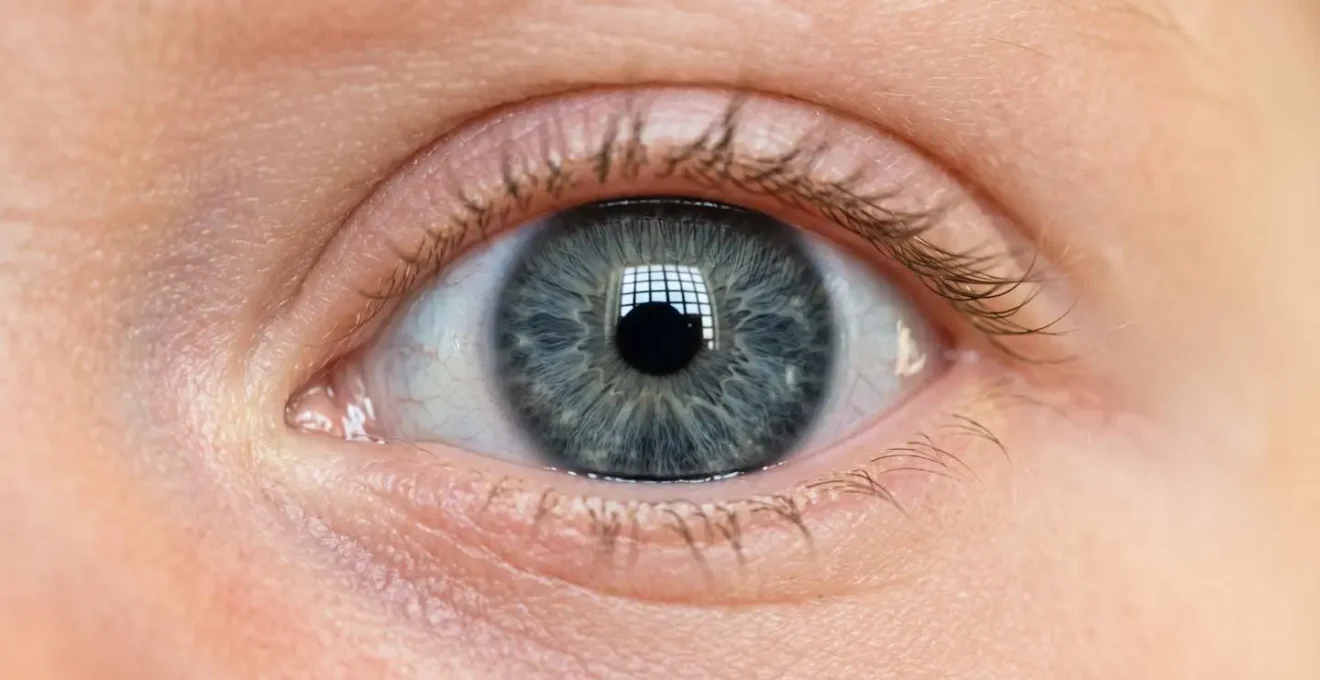
This early preference for high contrast is not just a quirk; it is a biological necessity. Every time your baby focuses on a clear, high-contrast image, they are actively strengthening the muscles in their eyes and stimulating the growth of neural pathways between the eyes and the brain. You are not just entertaining them; you are helping them build the fundamental architecture for a lifetime of vision. Ignoring this developmental stage in favour of colour is like trying to teach a child to run before they can crawl.
How to Use High-Contrast Cards at the Right Distance and Angle for Maximum Engagement?
Understanding the ‘why’ behind newborn vision allows for a highly effective ‘how’. Using high-contrast cards is not a passive activity but an interactive, targeted exercise. The goal is to create maximum engagement without tipping into overstimulation. The first rule is distance: always present the card within that optimal 20-30cm focal range. Holding it too far away makes it blurry and uninteresting; holding it too close can be overwhelming and difficult for their eyes to converge on.
Once you have the distance right, the key is to watch for their cues. A baby who is engaged will show subtle but clear signs. Their breathing may change slightly, their body might soften, and their gaze will lock onto the card. A baby who is becoming overstimulated will give different signals: they might look away, start to hiccup, yawn, or become fussy. These are not signs of rejection but their only way of communicating, « I’ve had enough for now. » A session may only last 30 seconds or a few minutes; the quality of engagement is far more important than the duration.
To build crucial visual skills, introduce slow movement. Once your baby has focused on the card, move it very slowly from side to side, at a speed of about one inch per second. This practice, known as visual tracking, encourages their eyes to work together and builds the foundation for future skills like reading. Here are the key indicators to watch for:
- Signs of engagement: A slight change in breathing, wiggling toes, softened body posture, and a steady, locked gaze on the card.
- Signs of overstimulation: Actively looking away, sudden hiccups or yawning, tense fists, and starting to fuss or cry.
- Optimal distance: Hold cards 8-12 inches (20-30 cm) from your baby’s face for the clearest possible focus.
- Tracking practice: Move the card slowly across their field of vision to build visual tracking skills and strengthen eye muscles.
Think of this as a conversation. You present a stimulus, and your baby responds. By learning to read their subtle language, you are not only supporting their visual development but also building a deep, responsive connection.
When to Transition From High-Contrast Cards to Primary Colours at Week 8?
The period of exclusive black-and-white preference is a temporary but crucial phase. As your baby’s visual system matures at a remarkable rate, their ability to perceive colour will begin to emerge. This transition is not like flipping a switch but is a gradual process tied directly to the development of the cone cells in their retina. Knowing when to introduce colour is key to keeping stimulation aligned with their capabilities.
The milestone for this transition typically begins around 8 weeks, or 2 months of age. While they won’t suddenly see the full spectrum, their ability to distinguish some colours from a grey background starts to appear. Converging scientific evidence shows that the red-green colour mechanism develops first. This means the first colour your baby will likely be able to truly perceive is red. You may notice that around 2-3 months, they start to show a preference for a red toy over a blue or green one. By 3-4 months, most infants are considered ‘trichromatic’, meaning their red, green, and blue cone cells are functioning, allowing them to see a much wider range of colours.
So, how do you manage this transition? It’s about observing and adding, not replacing. Around week 8, don’t discard the black-and-white cards. Instead, start introducing cards that incorporate a single, bold primary colour, especially red or other highly saturated primary colours. For instance, a black, white, and red card will be fascinating to them. You can then gradually introduce toys and images with bold shades of blue and green. Pastel colours should still be avoided for a while longer, as they lack the saturation and contrast needed to register clearly.
The key is to follow your baby’s lead. If they show interest in a colourful object, it means their brain is ready to process that information. If they still seem to prefer the simple black-and-white patterns, their visual system is still working hard to consolidate those foundational pathways. Trust their focus as the ultimate guide.
Why Showing Cards Every Waking Moment Overwhelms Rather Than Stimulates Your Baby?
In our enthusiasm to give our babies the « best start, » it’s easy to fall into the trap of thinking more stimulation is always better. However, with a newborn’s developing nervous system, this is a dangerous misconception. Constant visual bombardment, even with « educational » high-contrast cards, can quickly lead to overstimulation, which is not just tiring for the baby but can trigger a physiological stress response.
When a baby is overstimulated, their brain is receiving more sensory input than it can process. This creates a state of distress. As paediatric experts point out, this is more than just a feeling; it has a biological consequence. Dr. Alexis Phillips-Walker, a paediatric specialist, explains the mechanism clearly:
On a biological level, overstimulation in babies leads their bodies to produce a stress hormone called cortisol, which stimulates the sympathetic nervous system—the part of our bodies responsible for the flight or fight response.
– Dr. Alexis Phillips-Walker, DO, The Bump
This cortisol response is the body’s alarm system. A baby in this state is not learning or building neural connections; they are in survival mode. They will try to shut down the incoming flood of information by crying, turning away, or falling into a « stress-induced » sleep. A pattern of chronic overstimulation can interfere with feeding, healthy sleep cycles, and the development of emotional regulation. The goal of visual stimulation is to engage a calm, alert baby for short periods, creating a positive and successful learning experience.
Therefore, high-contrast cards should be used as a tool for connection and focused play, not as wallpaper. A few minutes of interactive play during a wake window is far more beneficial than leaving cards propped up in the cot all day. This teaches your baby a valuable lesson: the world can be exciting, but it is also a safe place where they can rest and retreat when needed. By respecting their limits, you are nurturing their trust and building a secure foundation for all future learning.
How to Use High-Contrast Cards During Tummy Time to Double the Developmental Benefit?
Tummy time is a cornerstone of infant motor development, crucial for building the neck, shoulder, and core muscles necessary for rolling, sitting, and crawling. However, many babies protest this essential activity. This is where high-contrast cards transform from a simple visual tool into a powerful motivator, creating a synergistic effect that benefits both mind and body.
When a baby is placed on their tummy, their natural instinct is to lift their head. This is hard work. By placing a captivating high-contrast card within their 20-30cm focal range, you provide a compelling reason for them to make that effort. Their innate drive to see the clear, stimulating image encourages them to lift their head higher and hold it for longer periods. This fusion of sensory and motor challenge is the essence of visual-motor integration. As pediatric physical therapists note, babies practice visual tracking as they lift their head to watch a toy or face, and high-contrast cards are the most effective « toy » for this age.
Using the cards strategically can turn frustrating tummy time sessions into productive, engaging « workouts. » The goal is not just to extend the duration but to encourage a range of movements that build strength and coordination. By moving the card, you can guide their head movement, which is the first step in learning to shift their weight and eventually roll over.
Your Action Plan: Strategic Tummy Time Routine
- Establish Focus: Place the card directly in front of your baby, about 8-12 inches away, to capture their attention and motivate the initial head lift.
- Encourage Rotation: Once their head is up, slowly move the card to one side. Their eyes will track it, and their head and neck will follow, stretching and strengthening the neck muscles.
- Balance Development: Hold for a few seconds, then slowly move the card back to the center and then to the opposite side to ensure balanced muscle development.
- Extend Duration: Use this sequence as a game, repeating the movements as long as your baby shows signs of positive engagement (not distress), helping to gradually extend the total duration of tummy time.
This simple routine does more than just make tummy time tolerable; it makes it doubly effective. You are simultaneously refining your baby’s visual system and building the gross motor skills that are fundamental to their physical independence.
Why Moving a High-Contrast Toy Across Your Baby’s Vision Builds Neck Muscles?
The link between seeing and moving is one of the most fundamental connections forged in a baby’s brain. For a newborn, an object of interest doesn’t just trigger a look; it triggers an urge to orient their entire body towards it. When you slowly move a high-contrast card or toy across your baby’s field of vision, you are initiating a powerful developmental sequence that directly builds their neck muscles.
This process is called visual tracking. Initially, a newborn’s eye movements are jerky and uncoordinated. They can fixate on an object but struggle to follow it smoothly. The practice of tracking a high-contrast object—which provides the strongest possible signal to their brain—helps to smooth out these movements. But the eyes don’t work in isolation. As their eyes follow the card, a signal is sent to their neck to turn the head in the same direction to keep the object in their limited field of clearest vision.
This eye-head coordination is a classic example of cause and effect in motor development. The visual desire to see the object *causes* the physical action of turning the head. Each time they do this, they are performing a tiny, targeted repetition that strengthens the sternocleidomastoid and other neck muscles. This is crucial for gaining the head control necessary for sitting up, feeding efficiently, and exploring their environment. As Michigan State University Extension research indicates, most babies should be engaging in visual tracking by about three months, and providing clear targets helps them achieve this milestone.
By simply moving a card from left to right, you are not just playing a game. You are acting as a personal trainer for your baby’s developing nervous and muscular systems, helping them build the strength and coordination they need to meet their next major motor milestones. It’s a profound demonstration of how a simple visual stimulus can be the catalyst for complex physical growth.
Why Your Newborn Has No Concept of Night Until Their Brain Develops at Week 8?
One of the most challenging aspects of newborn life for parents is the complete lack of a day-night sleep schedule. Your baby’s tendency to be wide awake at 3 a.m. is not a behavioural issue; it is a biological one. At birth, infants have not yet developed a circadian rhythm, the internal 24-hour clock that governs the sleep-wake cycles in adults. They operate on a simple, need-based schedule: sleep, eat, alert, repeat, regardless of the time on the clock.
The development of this internal clock is a neurological process that takes time. It is heavily influenced by the hormone cortisol, which typically rises in the morning to promote wakefulness and drops at night. However, in newborns, cortisol secretion is erratic. Research on infant cortisol patterns shows that a recognisable circadian rhythm only begins to be established in some infants during the first 3 months of life. This means, for the first 6-8 weeks, your baby’s brain has no internal signal telling it that nighttime is for long stretches of sleep.

This is where vision plays an unexpected but critical role. The primary external cue that sets our internal clock is light. The brain, specifically the suprachiasmatic nucleus, interprets the presence of bright light as a signal for ‘daytime’ and the absence of light as a signal for ‘nighttime’. Since a newborn’s brain isn’t yet producing its own consistent internal signals, it is profoundly reliant on these external cues. You cannot force the internal clock to develop faster, but you can provide strong, clear, and consistent environmental signals to help guide it.
Therefore, managing your baby’s light exposure is one of the most powerful tools you have for shaping their sleep patterns. During the day, bright, natural light tells their brain it’s time to be alert. At night, a dark, visually uninteresting environment sends the opposite message. Understanding this gives parents a proactive strategy, transforming them from passive victims of a chaotic sleep schedule to active participants in their baby’s circadian development.
Key Takeaways
- A newborn’s vision is limited to a 20-30cm range and can only process high-contrast images like black and white, not pastel colours.
- Using high-contrast cards for short, focused sessions builds crucial neural pathways and strengthens eye muscles without causing stressful overstimulation.
- The link between vision and motor skills is direct; using cards during tummy time or for tracking exercises actively builds neck and core strength.
Why Your Baby Confuses Day and Night Until You Control the Light at 6 Weeks?
The common parental struggle with a baby’s day-night confusion is fundamentally a problem of environmental signalling. Until their internal circadian rhythm matures around the 6- to 8-week mark, your baby’s brain is like a blank slate, waiting for you to write the rules of day and night. The most powerful « pen » you have is light. By creating a stark contrast between the daytime and nighttime environments, you provide the clear, consistent cues their brain needs to start organising sleep.
The hormone cortisol is often discussed in relation to baby sleep, but its role can be misunderstood. It’s less a driver of the body clock and more a reflection of it. As sleep expert Dr. Pamela Douglas clarifies, parents have more direct control over the environmental inputs than the hormonal outputs:
Cortisol does not drive or cause changes in sleep or the body clock setting. Instead, cortisol levels in the blood stream, saliva and breast milk follow or reflect sleep and body clock setting changes.
– Dr. Pamela Douglas, NDC Institute
This means your focus should be on the practical management of light and stimulation—the very things that set the body clock. Daytime should be bright and engaging. Open the curtains, go for walks, and make daytime interactions active and social. Nighttime, conversely, should be as dark and boring as possible. This is where your understanding of high-contrast vision becomes a sleep tool. A visually stimulating environment at night, even one with a standard nightlight creating strong shadows, can be as disruptive as bright overhead light. The goal for night feeds and changes is a low-contrast, visually uninteresting space.
Here are practical strategies for managing nighttime light:
- Use very dim, warm-coloured night lights (red or amber) instead of bright white or blue lights from overheads or phone screens.
- Keep the nighttime environment visually ‘low-contrast’ and uninteresting to avoid triggering alertness.
- Use just enough light to move around safely, but not enough to create strong shadows or highlight interesting patterns.
- Make nighttime interactions rich for other senses—calm touch, soothing shushing—but minimal for visual engagement.
By consciously controlling the light from the very first weeks, you are not just surviving the newborn phase; you are actively teaching your baby one of their first and most important lessons: the rhythm of the world.
Armed with a scientific understanding of your baby’s vision, you can now move past the confusion and confidently provide the right kind of stimulation at the right time. The next step is to translate this knowledge into practice, observing your baby’s unique cues and using simple tools like high-contrast cards not as a chore, but as a powerful way to connect, play, and support their incredible development from day one.