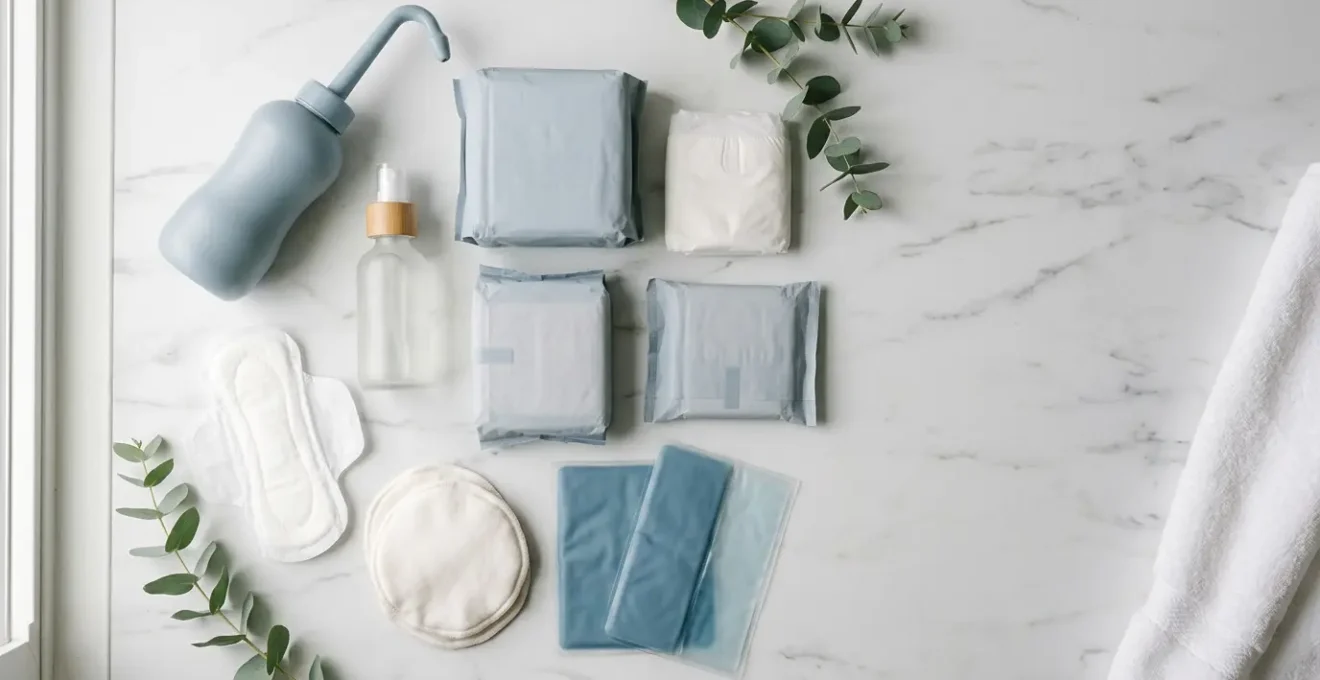
While the NHS provides basic care, the standard-issue postpartum supplies are often inadequate for comfort and effective healing.
- Your own multi-absorbency maternity pads are crucial, as hospital-provided ones can be poor quality and uncomfortable.
- Specific perineal care tools like a peri bottle and witch hazel pads are non-negotiable for soothing and cleansing sensitive, healing skin.
- A proactive, well-organized hygiene kit is your best strategy for a dignified, comfortable, and less stressful postnatal recovery.
Recommendation: Assemble your own dedicated postpartum kit before your due date to ensure you have high-quality, effective products ready for both the hospital and home.
As you approach your due date, packing your hospital bag is one of the final, tangible tasks that makes everything feel real. The tiny outfits are folded, the baby essentials are ready, and you’ve probably read countless lists telling you what to bring. Most focus on the baby, with a small section for you that often just says, « toiletries and maternity pads. » But as a maternity ward nurse, I’m here to share what those generic lists don’t tell you. The reality of postnatal recovery on a busy NHS ward requires a more strategic approach.
The standard-issue supplies, while functional, are chosen for cost-effectiveness, not comfort. The truth is, there is a significant ‘quality gap’ between what is provided and what will genuinely make your recovery more comfortable and dignified. Relying solely on the hospital can lead to discomfort, frustration, and unnecessary stress at a time when your focus should be on healing and bonding with your new baby.
This guide isn’t just another packing list. It’s a strategic plan. We will move beyond the ‘what’ and delve into the critical ‘why’ behind each item. We’ll explore why different absorbency levels in pads are non-negotiable, which tools actually soothe stitches, what your nipples truly need in the first 72 hours, and how to pack it all for practical, one-handed access. By understanding the rationale behind each choice, you can empower yourself to build a postpartum hygiene kit that truly supports your recovery, both in the hospital and during those first crucial weeks at home.
This detailed guide will walk you through creating the ultimate postpartum hygiene kit, ensuring you have everything you need for a more comfortable recovery. The table of contents below outlines the key areas we will cover.
Table of Contents: A Nurse’s Guide to Your Post-Birth Essentials
- Why You Need 3 Different Absorbency Levels of Maternity Pads for the First 2 Weeks?
- Peri Bottle vs Sitz Bath vs Witch Hazel Pads: Which Actually Soothes Stitches?
- Nipple Cream vs Breast Pads vs Hydrogel: What Your Nipples Need in the First 72 Hours?
- Why Your Favourite Body Wash Can Burn Healing Perineal Skin?
- How to Fit All Postpartum Hygiene Essentials in One Washable Bag?
- Why You Need Your Own Maternity Pads When NHS Ones Are Sandpaper-Grade?
- Why Your Bleeding Suddenly Increases on Day 10 and When to Call the Midwife?
- What to Pack for a 3-Day Postnatal Stay on an NHS Ward?
Why You Need 3 Different Absorbency Levels of Maternity Pads for the First 2 Weeks?
After birth, you will experience postpartum bleeding, known as lochia. This isn’t like a regular period; it’s significantly heavier and follows a distinct pattern. In the first few days, the flow is intense and bright red. Over the next one to two weeks, it gradually lessens, becoming pinkish-brown and then a yellowish-white. A ‘one-size-fits-all’ approach to maternity pads simply doesn’t work for this process. This is where a strategic, three-stage absorbency system becomes essential for both comfort and hygiene.
For the first 3-4 days, you need heavy-duty, maximum absorbency pads. These are your first line of defence when bleeding is at its peak. Standard sanitary pads are completely inadequate; postpartum pads range from 250 ml to 850 ml holding capacity, compared to a mere 10 ml for a typical menstrual pad. For days 4-10, as the flow starts to decrease, you can transition to moderate absorbency pads. These are less bulky but still provide reliable protection. Finally, for the remaining weeks, light absorbency pads or liners will suffice as the lochia tapers off.
This phased approach prevents leaks, reduces bulkiness when you don’t need it, and keeps you feeling more comfortable and confident. A mother of four who tested various pads recommended this exact strategy, noting its importance for a manageable recovery. Plan on changing pads every four hours initially, which means you’ll need a significant supply—roughly 168 pads for an average recovery period. Having your own multi-stage supply is a non-negotiable part of your kit.
Peri Bottle vs Sitz Bath vs Witch Hazel Pads: Which Actually Soothes Stitches?
The perineal area takes the brunt of a vaginal delivery, and whether you have stitches or are just very tender, proper care is vital for healing and comfort. It’s not about choosing one tool, but understanding that each plays a unique and complementary role in your recovery. Think of it as creating a soothing perineal ecosystem with a tool for every need: cleansing, cooling, and therapeutic healing.
The peri bottle is your essential cleansing tool. It’s a small squirty bottle with an angled spout that you fill with warm water. You use it to gently rinse your perineum while urinating to prevent stinging and to clean the area after using the toilet, as wiping with paper would be painful and unhygienic. This is a must-have for every bathroom trip. Witch hazel pads are for passive, constant soothing. These are pre-moistened pads that you can line your maternity pad with. They have natural anti-inflammatory and cooling properties that provide immense relief from swelling and discomfort. A sitz bath, on the other hand, is a scheduled, deep therapeutic treatment. This small basin fits over your toilet and allows you to soak the perineal area in warm water for 15-20 minutes, which is excellent for reducing swelling, promoting blood flow for healing, and soothing haemorrhoids.
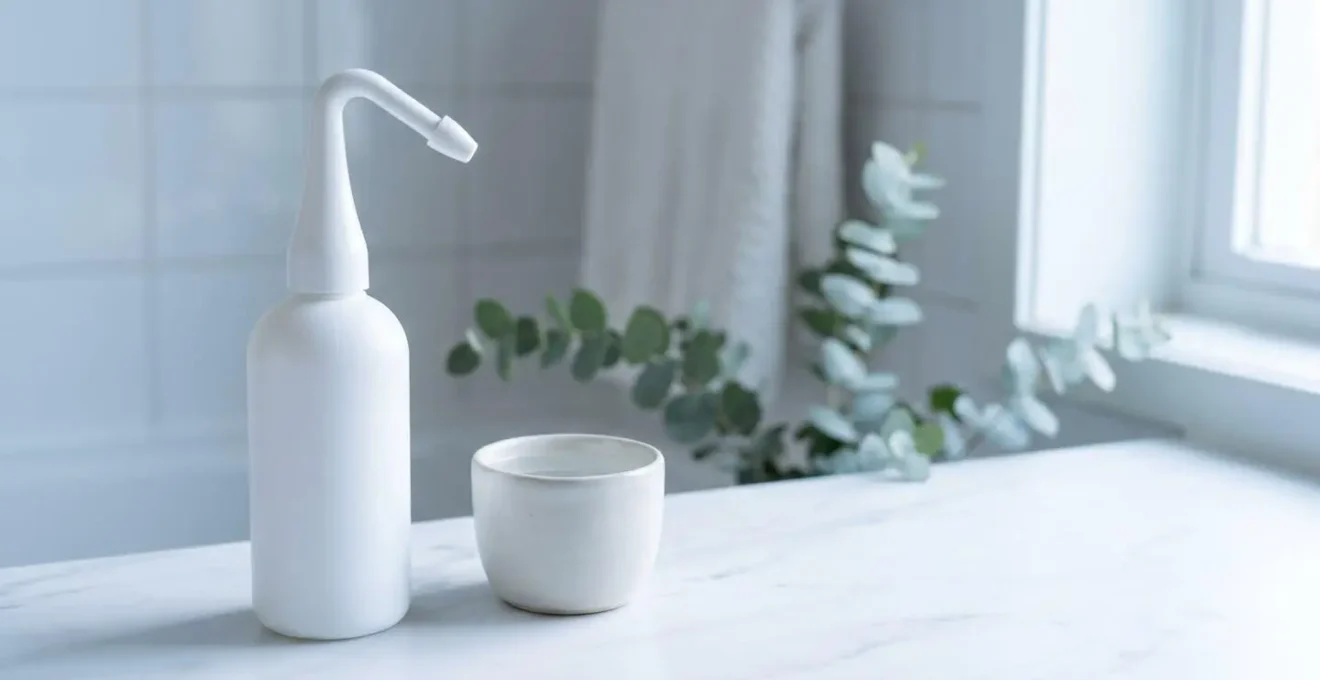
Each method serves a different primary function at a different time. The peri bottle is for immediate hygiene, the witch hazel pads for continuous cooling relief, and the sitz bath for deeper, scheduled therapy. The following table, based on an in-depth comparative analysis, breaks down their distinct roles.
| Method | Primary Function | Frequency of Use | Best For | C-Section Friendly |
|---|---|---|---|---|
| Peri Bottle | Immediate cleansing with gentle water spray | Every bathroom trip | Preventing stinging during urination, maintaining hygiene | Yes – essential for limited mobility |
| Witch Hazel Pads | Passive cooling and anti-inflammatory relief | Continuous (line maternity pad) | Constant soothing, reducing swelling | Yes |
| Sitz Bath | Deep therapeutic soaking for 15-20 minutes | 2-3 times daily (scheduled) | Reducing swelling, promoting healing, hemorrhoid relief | May be contraindicated initially – consult provider |
Nipple Cream vs Breast Pads vs Hydrogel: What Your Nipples Need in the First 72 Hours?
If you plan to breastfeed, preparing to care for your nipples from the very first latch is crucial. It’s a common misconception that breastfeeding is always a painless, natural process from the start. In reality, it’s a learned skill for both you and your baby, and your nipples will go through an intense adjustment period. In fact, research on breastfeeding complications shows that up to 97% of lactating parents experience nipple pain, and over half may develop visible wounds. Having a trio of targeted solutions ready is not an over-preparation; it’s a necessity.
Nipple cream, typically lanolin-based, is for protection and moisturisation. Applied after feeds, it creates a barrier to prevent drying and cracking. Breast pads, whether disposable or reusable, have a single job: to absorb leaks. Your milk may come in with surprising force, and breast pads will save your clothes and your dignity. The third item, hydrogel pads, is the emergency service. These are cool, jelly-like pads that you store in the fridge. When your nipples are sore, raw, and painful, applying a hydrogel pad provides instant, powerful cooling relief and creates an optimal environment for healing broken skin. They are an absolute game-changer in those first challenging days.
Using hydrogel pads correctly can make a significant difference. Here are the essential steps for application:
- Step 1: Wash hands thoroughly with soap and warm water to ensure cleanliness before handling pads.
- Step 2: Open the sterile package carefully and gently peel off the plastic liner from the gel side of the pad.
- Step 3: Position the hydrogel pad with the gel side directly over the nipple and surrounding areola to cover the affected area entirely.
- Step 4: Wear a nursing bra for comfort. Remember to remove the pads before each feeding session.
- Step 5: For enhanced cooling relief, store hydrogel pads in the refrigerator. Each pad can be reused for up to 24-72 hours if handled with care.
Why Your Favourite Body Wash Can Burn Healing Perineal Skin?
After giving birth, your entire body feels like it’s been through a marathon, and the thought of a warm, comforting shower is incredibly appealing. You might be tempted to reach for your favourite fragrant body wash to feel clean and human again. However, this is one of the most common mistakes new mothers make. Your perineal skin, especially if you have stitches, grazing, or swelling, is incredibly sensitive and its protective barrier is compromised. The very products you normally love can cause significant stinging, burning, and irritation, hindering the healing process.
Most commercial body washes contain fragrances, sulfates (like SLS), and other chemicals that are far too harsh for healing tissue. The pH of these soaps can disrupt the delicate balance of your vaginal flora, potentially increasing the risk of infection. As experts from Health Products For You note, the focus must be on gentleness. They advise:
The perineal area is very delicate, especially after birth. There are chances you may even experience hemorrhoids or vaginal tearing in the initial days. Choose a postpartum pad made of soft material such as cotton to keep the skin comfortable.
– Health Products For You, 5 Best Postpartum Pads To Manage After Birth Bleeding
This principle of gentleness extends to everything that touches your skin. For washing, you should opt for either a specialised, fragrance-free, pH-balanced intimate wash or, even better, just warm water delivered via your peri bottle for the first few days. Think of your healing skin like the most delicate fabric—it needs to be handled with extreme care. The goal is to clean without stripping, to soothe without irritating.
How to Fit All Postpartum Hygiene Essentials in One Washable Bag?
Now that you know the ‘what’ and ‘why’ of your postpartum essentials, the next challenge is logistics. How do you organize these items for quick, easy, one-handed access in a small hospital bathroom and then at home? The key is not to just throw them in a toiletry bag but to create a postpartum bathroom caddy or ‘command station’. This is a small, open-topped basket or container that sits on the back of the toilet or on a nearby surface, holding everything you need for each bathroom trip.
The goal is to eliminate fumbling with zippers or digging through a bag when you are sore, tired, and likely holding a newborn. By organizing your supplies into zones within the caddy, you can grab what you need instantly. One zone for perineal care (peri bottle, spray), another for absorbency (pads, mesh underwear), and a third for breastfeeding needs (nipple cream, breast pads). This system brings order to the chaos and makes the repetitive task of postpartum bathroom visits much more manageable and less daunting.
A washable bag is a great addition for transport and for storing items like used reusable pads, but the open caddy is the true hero of at-hand organization. This setup not only saves you physical effort but also reduces the mental load of trying to remember where everything is. It’s a simple, practical strategy that makes a world of difference to your daily comfort.
Your Bathroom Caddy Action Plan: 5 Zones for One-Handed Access
- Perineal Zone: Gather your peri rinse bottle with its angled spout, perineal healing spray or foam, witch hazel pad liners, and instant ice padsicles for cooling relief.
- Absorbency Zone: Stack your maternity pads in three absorbency levels (heavy, moderate, light), and have supportive disposable or mesh underwear ready.
- Breastfeeding Zone: Keep your nipple cream or lanolin, hydrogel cooling pads, and disposable or reusable breast pads for leak management within easy reach.
- Hygiene Zone: Include a fragrance-free gentle cleanser or have your water-only option ready, along with soft cotton washcloths and a small waterproof bag for storage.
- Organization Tip: Use a small, open caddy that can sit on the toilet tank. This gives you one-handed access and avoids the frustration of zippers, especially when you might be holding your baby.
Why You Need Your Own Maternity Pads When NHS Ones Are Sandpaper-Grade?
This might be the single most important piece of advice for your hospital bag. While it’s true that the NHS will provide you with maternity pads on the postnatal ward, there is a vast difference in quality between these and the ones you can buy yourself. This isn’t a knock on the NHS; it’s a matter of budget and logistics. Hospital supplies are bought in bulk for maximum cost-effectiveness, not for maximum comfort. The result is often a pad that is thick, stiff, and feels, as many mothers have described, like « sandpaper. »
The material makes all the difference. As one retailer, Mother Mother Shop, explains, the contrast is stark:
Hospital-provided pads are often made from chlorine-bleached wood pulp for cost-effectiveness, which is stiff and not breathable. Compare this to the organic cotton or bamboo in retail pads, which are softer, more breathable, and reduce irritation risk.
– Mother Mother Shop, Postpartum Recovery Bundle Product Description
When your perineal area is swollen, tender, and possibly stitched, the last thing you want is a rough, non-breathable material pressed against it. This can cause chafing, irritation, and trap moisture, which is not conducive to healing. Investing in your own supply of soft, breathable, preferably organic cotton pads is an act of kindness to your body. You will be wearing these pads 24/7 for several weeks. Indeed, medical experts note that postpartum bleeding typically lasts 4-6 weeks, with the heaviest flow in the first 10 days. Given this duration, the comfort and breathability of your chosen pads will have a major impact on your overall recovery experience.
Why Your Bleeding Suddenly Increases on Day 10 and When to Call the Midwife?
Just when you think you’re getting the hang of things and your postpartum bleeding (lochia) is starting to lighten and taper off, you might experience a sudden, surprising increase. This often happens around day 10 to 14 and can be alarming for a first-time mother. In many cases, this is a normal part of the healing process. It can be caused by the scab over the area where the placenta was attached to the uterine wall coming away, or simply by an increase in your activity levels as you start to feel a bit more like yourself.
However, it is crucial to be vigilant and know the difference between a normal fluctuation and a sign of a potential complication. While rare, a sudden gush of bright red blood or the passing of large clots needs to be taken seriously. A complication called subinvolution, where the uterus doesn’t return to its normal size as expected, can cause issues. For instance, according to postpartum recovery specialists, subinvolution can cause intense bleeding when the placental scab falls off prematurely around 2-3 weeks after delivery. It is essential to monitor the amount of bleeding, the colour, and any other symptoms you might be experiencing.
Your midwife is your first point of contact for any concerns. Never hesitate to call them if you are worried. They would much rather reassure you that what you’re experiencing is normal than have you wait at home with a potentially serious issue. Pay close attention to warning signs like soaking through more than one pad per hour, passing clots larger than a golf ball, or feeling dizzy and unwell. Your health is the priority.
Key Takeaways
- The quality of personal postpartum supplies is as important as the quantity; do not rely on standard-issue hospital items for comfort.
- Adopt a three-stage approach to maternity pads, matching heavy, moderate, and light absorbency to your recovery timeline.
- Perineal care is an ecosystem: cleansing (peri bottle), soothing (witch hazel), and therapeutic soaking (sitz bath) are all vital and distinct roles.
What to Pack for a 3-Day Postnatal Stay on an NHS Ward?
Packing for your postnatal hospital stay goes beyond just the hygiene essentials; it’s about creating a small bubble of comfort and dignity in an often bright, noisy, and clinical environment. While the focus of this guide is your hygiene kit, integrating it into a wider comfort strategy will make your 2-3 day stay significantly more pleasant. Think of it as packing for your personal well-being, not just your medical needs.
Beyond the pads, sprays, and creams, consider your five senses. An eye mask and earplugs or noise-cancelling headphones are invaluable for getting any rest on a brightly lit, busy ward. A familiar-smelling pillowcase from home can be incredibly comforting. For dignity, a dark-coloured robe is perfect for covering up when you walk to the bathroom, hiding any potential leaks. Slip-on shoes are essential for swollen feet. Practical items are just as important. A very long phone charging cable and a multi-socket extension lead are ward-veteran recommendations, as outlets are often few and far from the bed. Don’t forget non-perishable snacks and drinks for you and your partner to avoid relying on hospital meal times or vending machines.
Here is a consolidated checklist to ensure your hospital bag is fully equipped for a comfortable stay:
- Sensory Comfort Items: Eye mask, noise-cancelling headphones or earplugs, your own pillowcase.
- Dignity and Comfort Kit: Dark-coloured robe, comfortable slip-on shoes or slippers, dry shampoo, and a refreshing facial mist.
- Personal Hygiene Essentials: Your full kit including multi-absorbency maternity pads, peri bottle, perineal spray, mesh underwear, and fragrance-free wipes.
- Breastfeeding Support: Nipple cream, breast pads, nursing bras, and hydrogel pads.
- Partner’s Support Pack: Extra-long phone charging cable, extension lead, and a supply of snacks and drinks.
- Practical Essentials: Your hospital notes and any required documents, basic toiletries, and comfortable clothes for going home.
Frequently Asked Questions About Postpartum Bleeding
What are the warning signs that require immediate medical attention?
Contact your healthcare provider immediately if you experience blood clots larger than a golf ball, sudden heavy bleeding soaking one pad per hour for more than one hour, a return to bright red bleeding after it had already lightened, fever with foul-smelling discharge, or dizziness and weakness.
Is it normal for bleeding to increase around day 10-14?
Some increase in bleeding can occur around days 7-14 due to increased activity or the natural healing process as the placental scab comes away. However, if you experience sudden heavy bleeding or a return to a bright red flow after it had turned pink or brown, this warrants a call to your midwife to rule out complications.
How can I tell the difference between normal lochia and postpartum hemorrhage?
Normal lochia gradually decreases over time and changes colour from bright red, to pink/brown, to yellowish-white. Postpartum hemorrhage is defined as very heavy bleeding—soaking through one or more pads in an hour—passing large clots repeatedly, and may be accompanied by symptoms like dizziness, a rapid heartbeat, or cold, clammy skin. This requires immediate emergency care.
By preparing a thoughtful, comprehensive postpartum hygiene kit, you are not just packing a bag; you are investing in your own comfort, dignity, and recovery. You now have the knowledge and a detailed checklist to assemble a kit that truly serves you during this transformative time.