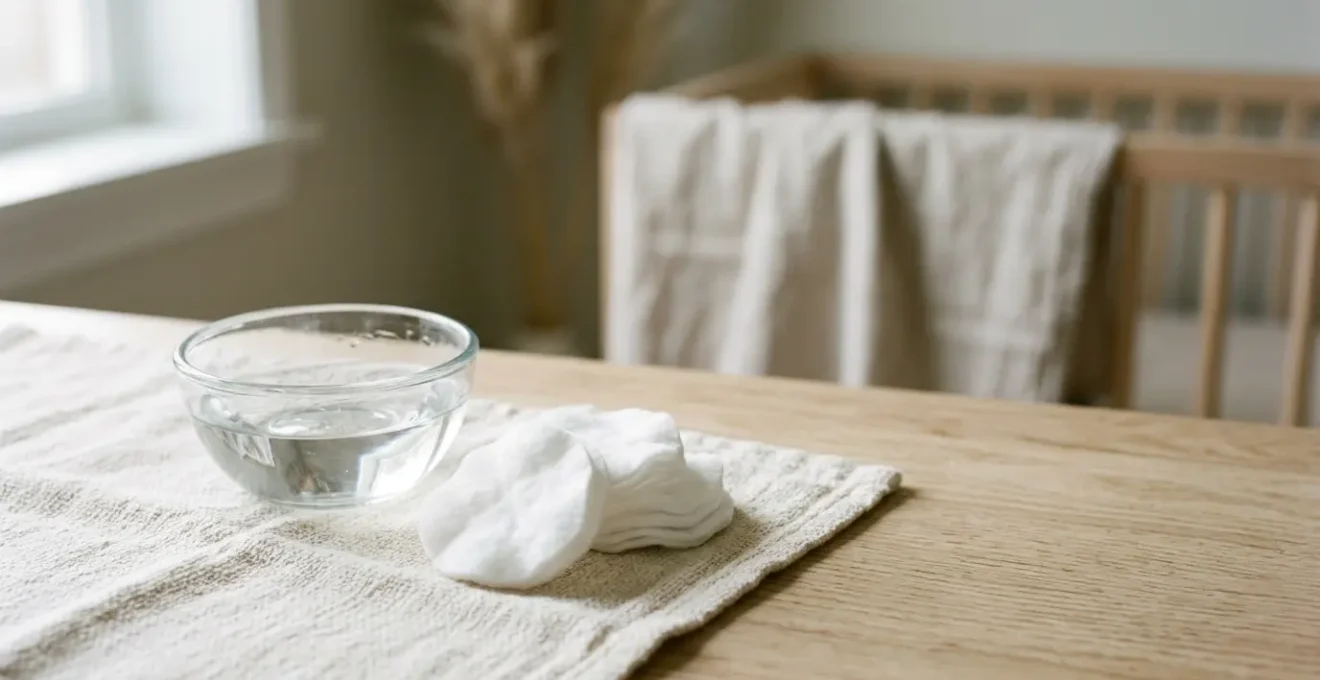
Contrary to the endless marketing for ‘essential’ newborn products, the first six weeks are a critical period of skin development where less is profoundly more. A baby’s skin barrier is not yet fully functional, making it vulnerable to the very ingredients designed for adult skin. This guide dismantles the myths, explaining the science behind why simple water and cotton wool are not just a ‘traditional’ choice, but the superior, evidence-based standard of care for protecting and nurturing your newborn’s developing skin.
The moment you become a parent, you are confronted with a dizzying array of choices, nowhere more so than in the baby care aisle. Bottles of lotion, tubs of cream, and packs of wipes—all promising the gentlest, safest care for your newborn. You are told you need a different product for every eventuality, with reassuring labels like ‘dermatologically tested’ and ‘paediatrician approved’ vying for your trust. It’s a confusing landscape, designed to make you feel that you are not quite prepared without an arsenal of specialised products.
But what if the most effective, science-backed approach to newborn hygiene was also the simplest and most affordable? What if the collective wisdom of midwives, and the evidence from dermatology, pointed away from the colourful packaging and back to the basics? The fundamental truth is that a newborn’s skin is not a miniature version of adult skin; it’s an organ still under construction. Its needs are therefore fundamentally different.
This article will serve as your evidence-based guide through the noise. We will explore the unique physiology of your baby’s skin during its first months. We will decode the marketing claims on baby products, separating genuine benefits from regulatory loopholes. Ultimately, you will be equipped with the knowledge to create a safe, minimalist, and effective hygiene routine that truly supports your baby’s skin as it adapts to the world.
This article breaks down the essential, evidence-based information you need, guided by dermatological science and UK-specific advice. The following sections will provide clear answers to the most pressing questions, empowering you to care for your newborn with confidence.
Summary: A Dermatologist’s Evidence-Based Guide to Newborn Skin Care
- Why Your Baby’s Skin Cannot Handle Adult Products Until Month 3?
- Barrier Cream vs Treatment Cream: Which to Apply Before the Rash Appears?
- Why « Dermatologically Tested » on UK Baby Products Often Means Nothing?
- Why Bathing Your Newborn Daily Strips Natural Oils and Causes Dry Patches?
- The 7 Products That Cover All Newborn Hygiene Needs vs the 20 You Are Told to Buy
- The Hidden Vitamin A Danger in Liver Pâté That 60% of UK Mothers Ignore
- Why Water Must Be at Least 70°C When Adding Powder to Kill Bacteria?
- How to Choose the Right First Infant Formula When All UK Brands Meet the Same Standards?
Why Your Baby’s Skin Cannot Handle Adult Products Until Month 3?
A newborn’s skin is exquisitely soft, but this delicacy is a sign of its immaturity. Unlike adult skin, the outer protective layer, the stratum corneum, is significantly thinner and its cellular structure is less compact. This makes it highly permeable, not just to moisture but also to potential irritants and allergens found in many skincare products. The process of skin barrier maturation is a gradual one that takes place over the first few months of life.
A crucial component of this barrier is the acid mantle, a fine, slightly acidic film on the skin’s surface that defends against harmful bacteria and environmental stressors. At birth, a baby’s skin has a higher, more neutral pH. It takes several weeks for this protective acidic environment to fully establish. Using alkaline soaps or products with harsh chemicals can disrupt this delicate process, leaving the skin vulnerable.
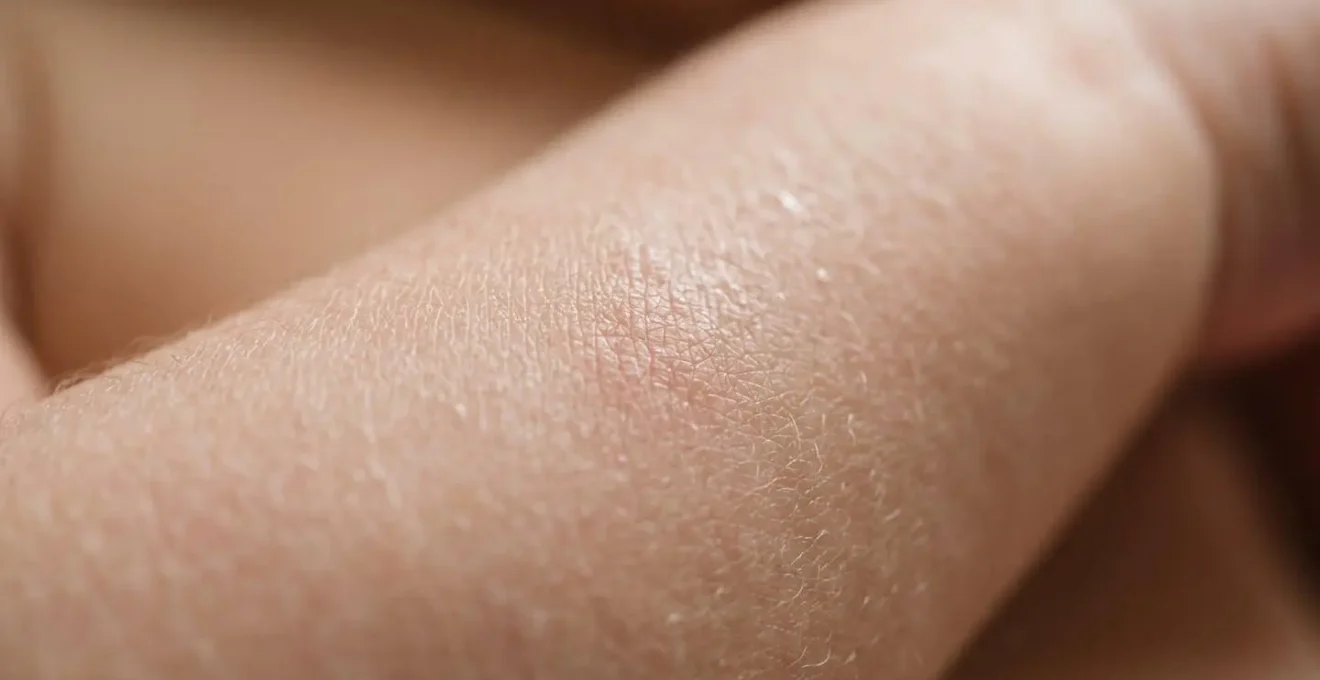
As documented in paediatric research, these structural differences are not trivial. A 2025 study on neonatal skin barrier properties highlighted that a newborn’s skin is fundamentally more susceptible to dehydration, irritation, and infection. This is why introducing complex formulas, fragrances, and preservatives too early can trigger reactions, not because the product is ‘bad’, but because the skin is simply not ready. The first 6-12 weeks are a period for the skin to build its own defences, a process best supported by minimal interference.
Barrier Cream vs Treatment Cream: Which to Apply Before the Rash Appears?
In the world of nappy care, not all creams are created equal. Understanding the difference between a barrier cream and a treatment cream is fundamental to preventing, rather than just reacting to, nappy rash. The key lies in their function: one is prophylactic (preventative), and the other is therapeutic (curative). A barrier cream’s sole purpose is to form a protective, waterproof layer on healthy skin to shield it from the moisture and enzymes in urine and faeces. It is meant to be used at every nappy change as a preventative measure.
In contrast, a treatment cream is a medicated product designed to be used only when a rash has already appeared. These creams often contain higher concentrations of active ingredients or specific antifungal or anti-inflammatory agents to resolve an existing problem. Using a treatment cream on healthy skin is unnecessary and can, in some cases, lead to its own issues. For preventative care, simple is best. Evidence consistently shows that a good barrier is the most effective strategy, with zinc oxide barrier creams at 10-20% concentration showing significant improvement in mild nappy rash within 24-48 hours when used correctly.
The table below breaks down the key differences, helping you choose the right product for the right situation and avoid applying medicated treatments when simple prevention is all that is needed.
| Feature | Barrier Cream | Treatment Cream |
|---|---|---|
| Primary Function | Prevent irritation before it occurs | Treat existing rash or infection |
| Active Ingredients | Zinc Oxide (10-20%), Petrolatum, Lanolin | Zinc Oxide (higher %), Clotrimazole (antifungal), Hydrocortisone (GP prescription) |
| When to Use | At every nappy change as prevention | Only when rash appears or infection suspected |
| Application | Thin, translucent layer | Prescribed amount for specific condition |
| Examples (UK) | Sudocrem, Bepanthen, Metanium Everyday, supermarket own-brand zinc & castor oil | Metanium Nappy Rash Ointment (higher zinc), Canesten (antifungal), Hydrocortisone cream (prescription) |
Why « Dermatologically Tested » on UK Baby Products Often Means Nothing?
As a confused new parent scanning product labels, the phrase « dermatologically tested » can feel like a safety guarantee. It evokes images of scientists in white coats rigorously vetting a product for gentleness. The reality, however, is far less reassuring. This term is not a legally regulated or standardised claim in the UK or EU. It has no official definition, meaning a company can use it even if the ‘test’ was minimal and proves very little.
A manufacturer could, for instance, apply a product to a small group of adults for a short period. If no one has a significant reaction, they can legally stamp « dermatologically tested » on the packaging. This test does not have to be conducted on babies, on sensitive skin, or over a prolonged period that mimics real-world use. It says nothing about whether the product is free from potential long-term irritants or allergens. It is, in essence, a marketing term, not a scientific certification of safety for your newborn.
Instead of relying on these vague assurances, a more effective strategy is to become a savvy label-reader and learn to spot common irritants. Empowering yourself to understand the ingredients list is far more valuable than trusting a meaningless marketing slogan. The following are five common ingredients that have no place in products for newborn skin:
- Fragrance (Parfum): This single word can hide dozens of undisclosed chemical compounds, some of which are known allergens. Companies are not legally required to list them individually.
- Essential Oils: Though ‘natural’, these are potent and complex substances. They are a common cause of contact dermatitis and are discouraged in products for immature skin.
- Sodium Lauryl Sulfate (SLS): A harsh cleansing agent that creates foam but can strip the skin of its natural oils, disrupting the fragile skin barrier.
- Methylisothiazolinone: A preservative that has become notorious for its high potential to cause allergic reactions, leading to restrictions on its use.
- Alcohol Denat: This is a drying form of alcohol that can irritate the skin and compromise the developing acid mantle.
Why Bathing Your Newborn Daily Strips Natural Oils and Causes Dry Patches?
The idea of a daily baby bath is a modern convention, often seen as a lovely bonding ritual. From a dermatological standpoint, however, it can be one of the most disruptive routines for a newborn’s skin. At birth, babies are often covered in vernix caseosa, a waxy, white substance that is a perfect natural moisturiser and protector. It’s wise to leave this on for as long as possible. The skin also produces its own natural moisturizing factors (NMFs) and oils (sebum) which are essential for keeping the skin hydrated and maintaining the barrier.
Frequent bathing, especially with soaps or bubble baths, strips these crucial oils away far faster than the baby’s immature glands can replenish them. This leads to dryness, flaky patches, and can even exacerbate conditions like eczema. The problem is often compounded in the UK, where over 60% of regions have hard water. The high mineral content in hard water not only leaves a residue on the skin but also makes it more difficult for cleansers to rinse off, increasing irritation and dryness.

This is why paediatric and dermatological bodies worldwide advocate for less bathing. The simple, traditional « top and tail » method—using a bowl of warm water and cotton wool to clean the face, hands, and nappy area—is sufficient for daily hygiene. As a leading medical institution advises, a full-body bath is needed far less often than most parents think. As Stanford Medicine Children’s Health clarifies in their clinical guidance on newborn skin care:
Most babies need to be bathed only 3 times a week in the first year of life. With all the diaper changes and wiping of the mouth and nose after feedings, bathing every single day is contrary to popular thought.
– Stanford Medicine Children’s Health, Bathing and Skin Care for the Newborn clinical guidance
The 7 Products That Cover All Newborn Hygiene Needs vs the 20 You Are Told to Buy
The baby care industry thrives on creating a sense of need. You are led to believe that you require a vast array of specialised products: pre-bath oil, shampoo, body wash, post-bath lotion, nappy cream, ‘sensitive’ wipes, water-based wipes, and more. This is simply not true. The evidence-based, minimalist approach championed by NHS midwives and dermatologists requires only a handful of items to keep your newborn clean, comfortable, and safe for the first several weeks.
The core principle is to avoid disrupting the skin’s natural development. This is why wipes, even those marketed as ‘pure’ or ‘99% water’, are not recommended for the first month. They often contain preservatives (to prevent mould in the packet) and fibres that can be abrasive. The official guidance from the Northern Lincolnshire and Goole NHS Foundation Trust is unequivocal:
We advise that you avoid using baby wipes until your baby is at least two to four weeks old. When used, they should be mild and free from alcohol and perfume. We recommend that for premature babies, skin products are avoided for six to eight weeks as the skin’s protective barrier takes longer to mature.
– Northern Lincolnshire and Goole NHS Foundation Trust, Skincare for newborn babies – official NHS guidance
So, what do you actually need? The UK Midwife’s ‘minimalist kit’ covers every genuine hygiene need for a newborn, proving that simplicity is the ultimate sophistication in baby care.
- Cotton wool balls or pads: For gentle cleansing with plain warm water during the ‘top and tail’ routine and for nappy changes in the first 2-4 weeks.
- A bowl for water: A small, dedicated bowl to hold warm water for the cleansing process.
- Nappies: Standard disposable or reusable cloth nappies of your choice.
- A soft towel: Made of 100% cotton, to gently pat the skin dry, never rub.
- Simple barrier cream: A basic, inexpensive zinc and castor oil cream or a thin petroleum jelly barrier for the nappy area, applied to clean, dry skin.
- Nappy sacks: For hygienic disposal of used nappies.
- Fragrance-free baby wash (for later): After 4-6 weeks, a mild, pH-neutral or slightly acidic liquid cleanser can be introduced for bath time (2-3 times a week).
The Hidden Vitamin A Danger in Liver Pâté That 60% of UK Mothers Ignore
While this article focuses on skin, a holistic view of newborn health includes understanding crucial dietary advice for pregnancy and breastfeeding, as what you ingest can affect your baby. One of the most persistent and dangerous myths relates to liver and liver products, such as pâté. Many are aware it should be avoided during pregnancy, but often ignore this advice post-partum, not realising the risk can extend to the breastfed infant.
The danger lies in the extremely high concentration of pre-formed Vitamin A, also known as retinol. Unlike the provitamin A (beta-carotene) found in carrots and sweet potatoes, which the body converts only as needed, retinol is fat-soluble. This means the body cannot easily get rid of excess amounts, and it can build up to toxic levels. During pregnancy, this toxicity is known to have teratogenic effects, meaning it can cause birth defects.
While the risk is highest during fetal development, very high maternal intake of retinol can also pass into breastmilk, and an infant’s liver is not equipped to process such large amounts. It’s a clear example of how a ‘natural’ food can be harmful in high concentrations.
Case Study: The Science of Vitamin A Toxicity
Scientific research clearly distinguishes between the two forms of Vitamin A. A comprehensive review of Vitamin A’s role in pregnancy explains that retinol, found in animal sources like liver, is absorbed directly and can accumulate. In contrast, beta-carotene from plant sources must be converted by the body into retinol. This conversion process is naturally regulated, making it virtually impossible to overdose on Vitamin A from eating vegetables. This physiological difference is precisely why the NHS specifically warns against all liver products during pregnancy, a caution that remains prudent while breastfeeding a newborn.
Why Water Must Be at Least 70°C When Adding Powder to Kill Bacteria?
For parents who use infant formula, safe preparation is as critical as the choice of brand. A common, and dangerous, mistake is to mix the powder with lukewarm or cool water to get it to a drinkable temperature faster. This ignores a crucial safety step recommended by the NHS and World Health Organization. The reason for the 70°C rule is simple: powdered infant formula is not a sterile product.
Despite rigorous manufacturing standards, both the NHS and UK Food Standards Agency emphasize that powdered formula can, in rare instances, be contaminated with harmful bacteria. The two main culprits are Cronobacter sakazakii and Salmonella. While infections are very rare, they can be extremely serious, and even fatal, for a newborn whose immune system is still developing. These bacteria cannot survive high temperatures. Adding the powder to water that is at least 70°C effectively sterilises the feed, killing any potential pathogens that may be present in the powder.
This is why boiling the kettle and then letting it cool for no more than 30 minutes is the iron-clad rule. This timeframe allows the water to drop from 100°C to a temperature that is still hot enough to kill bacteria but not so hot that it degrades some of the nutrients in the formula. Following the precise steps for preparation is not an optional extra; it is a vital part of ensuring your baby’s safety.
Your Action Plan: NHS Safe Formula Preparation Steps
- Boil a full kettle of fresh tap water (do not use previously boiled water or bottled water).
- Leave the boiled water to cool in the kettle for no more than 30 minutes. This will ensure it remains at a temperature of at least 70°C.
- Add the correct amount of formula powder to the hot water in the sterilised bottle. The hot water must go in first to kill any potential bacteria in the powder.
- Cool the bottle immediately to feeding temperature by holding it under a running cold tap or placing it in a bowl of cold water.
- Always test the temperature of the milk on the inside of your wrist before feeding your baby. It should feel warm, not hot.
Key Takeaways
- A newborn’s skin barrier is immature for the first 3 months, making it highly permeable to irritants. ‘Less is more’ is the scientific rule.
- Plain water and cotton wool are the gold standard for cleaning in the first 4-6 weeks, superior to all types of commercial wipes.
- Marketing terms like ‘Dermatologically Tested’ are not regulated in the UK and offer no real guarantee of safety for newborns.
How to Choose the Right First Infant Formula When All UK Brands Meet the Same Standards?
The formula aisle can be just as overwhelming as the skincare aisle, with brands making competing claims about being ‘closer to breastmilk’, ‘organic’, or having ‘added prebiotics’. For a worried parent, this creates pressure to choose the ‘best’ or most expensive brand. The most important piece of information, however, is one that provides immense reassurance: in the UK, all first infant formulas are fundamentally the same from a nutritional standpoint.
This is not an opinion; it is a matter of law. As the UK Department of Health and Social Care confirms, The Infant Formula and Follow-on Formula (England) Regulations dictate the essential composition of all products sold as ‘first infant formula’. This legislation ensures that any brand you pick up from the shelf will provide all the necessary nutrients to support your baby’s healthy growth. There is no such thing as a nutritionally ‘bad’ choice when it comes to first milk.
So what about the claims of added ingredients like GOS/FOS or being ‘palm oil free’? These are largely marketing differentiators. While some additions may offer minor benefits (like softer stools), major reviews have not found consistent evidence of significant long-term health advantages. The table below decodes some of the most common marketing claims to help you see past the hype.
| Marketing Claim | What It Means | Scientific Consensus |
|---|---|---|
| GOS/FOS Prebiotics | Galacto-oligosaccharides and Fructo-oligosaccharides added to mimic breastmilk | Some evidence for softer stools; limited conclusive evidence for significant immune or allergy benefits (EFSA reviews) |
| Organic | Ingredients from certified organic farming | No proven nutritional or health advantage over standard formula; personal/environmental choice |
| Palm Oil Free | Uses alternative fat sources (e.g., sunflower, coconut oils) | Mixed evidence on calcium absorption; all UK formulas meet fat composition standards |
| DHA/ARA Added | Omega-3 and Omega-6 fatty acids | Cochrane reviews show no consistent evidence of developmental benefits; now mandated in all EU/UK infant formulas since 2020 |
| Closer to Breastmilk | Vague claim about composition similarity | All first infant formulas must meet same compositional standards; claim is largely marketing |
By understanding the science, decoding the marketing, and trusting in simplicity, you can navigate the early weeks of parenthood with confidence. The best routine for your baby is the one that is safe, effective, and free from unnecessary stress and expense. Empowered with this knowledge, you are already giving your baby the best possible start.