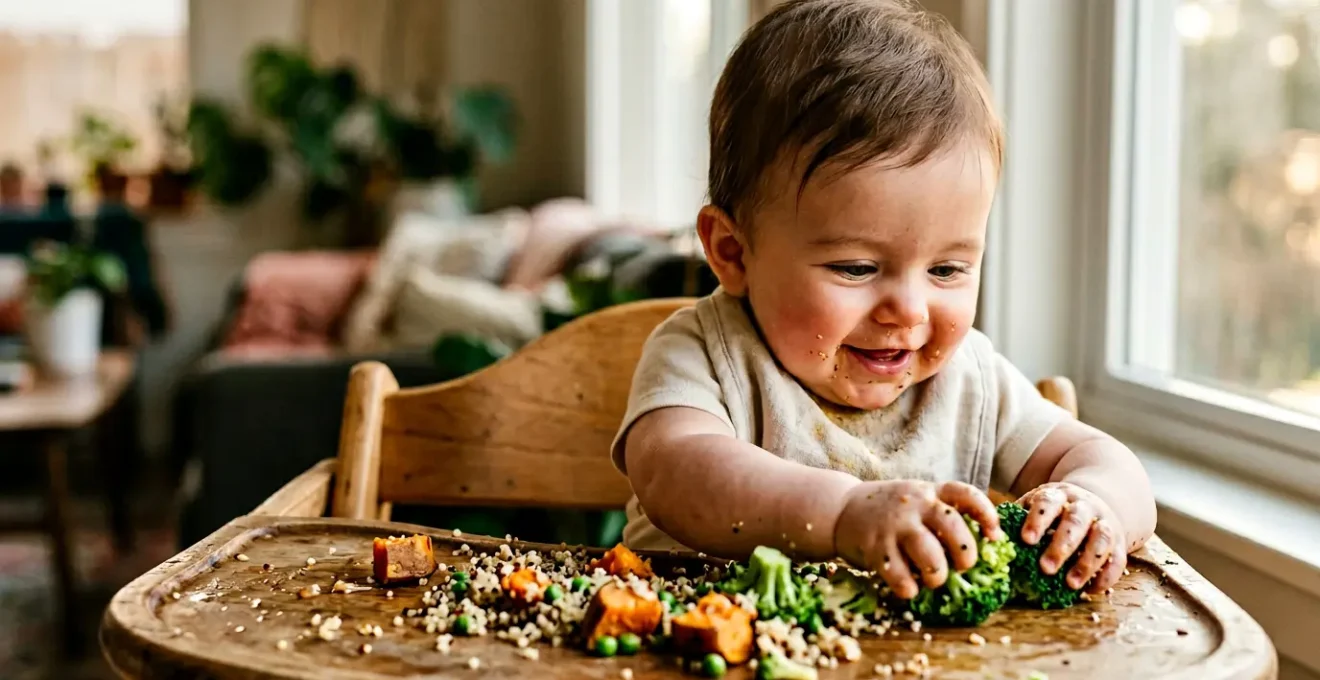
Contrary to the common advice to simply ‘offer iron-rich foods’, preventing infant iron deficiency is a science of strategy, not just selection. The key lies in understanding the sharp decline of their birth-given iron stores around six months, recognising the vast difference in absorption between food sources, and actively using nutrient synergy—like pairing iron with vitamin C—to maximise every bite. This is about building a robust nutritional foundation for optimal brain development.
As a parent, you are likely navigating a sea of advice about starting solids, with a focus on new tastes and textures. But from a paediatric haematologist’s perspective, there is a more urgent, time-sensitive nutrient that requires your attention: iron. Many parents are aware that babies need iron around six months, but few understand the precise physiological clock that makes this milestone so critical. It’s not an arbitrary date; it’s the moment your baby’s in-built iron supply, meticulously stored during pregnancy, begins to run low just as their brain enters its most rapid phase of development.
The common approach is often to reach for iron-fortified cereals or puréed spinach, believing this ticks the box. However, the reality of iron absorption is far more complex. The type of iron, the foods it’s paired with, and even the drinks you offer can either unlock its potential or render it almost useless. This isn’t about just adding iron-rich foods; it’s about a strategic, food-focused approach to ensure this vital nutrient is bioavailable to fuel your baby’s growth.
This guide moves beyond the platitudes. We will dissect the science behind your baby’s iron needs, explaining the ‘why’ behind the ‘what’. We’ll explore the hierarchy of iron-rich foods, the powerful role of vitamin C, the hidden risks of too much milk, and the subtle signs of deficiency that every parent should know. Consider this your clinical-grade, food-first plan to confidently navigate the six-month iron cliff and support your baby’s lifelong health.
To help you navigate this critical topic, this article breaks down the essential science and practical strategies into clear, actionable sections. Explore the full picture below.
Summary: A Paediatrician’s Guide to Infant Iron Nutrition
- Why Breastmilk Alone Cannot Meet Your Baby’s Iron Needs After 6 Months?
- Which Foods Deliver the Most Absorbable Iron: Red Meat, Fortified Cereal, or Lentils?
- Why Vitamin C Foods Doubled With Iron Foods Increases Absorption Dramatically?
- Why More Than 500ml of Cow’s Milk Daily After 12 Months Leads to Iron Deficiency?
- Pale Skin, Fatigue, or Poor Appetite: When Should You Ask Your GP to Test for Iron Deficiency?
- Why Iron Deficiency in Pregnancy Doubles Your Risk of Preterm Birth?
- What Happens at Each NHS Check from Birth to Age 2 and Why Each Matters?
- Why Starting Solids Before 17 Weeks Can Damage Your Baby’s Immature Gut?
Why Breastmilk Alone Cannot Meet Your Baby’s Iron Needs After 6 Months?
For the first six months of life, breastmilk is a complete nutritional source. The iron it contains is in a highly bioavailable form, with infants absorbing up to 50% of it. However, the concentration itself is low. Nature’s design is for a baby to be born with a full tank of iron, stored primarily in their liver, which they draw upon during this period of exclusive milk feeding. This elegant system works perfectly, but only for a limited time. A baby’s birth weight typically doubles by 5-6 months, and this rapid growth, combined with the expansion of red blood cell mass, places huge demands on those finite iron stores.
The « six-month cliff » is the point where these internal stores begin to deplete, and the small amount of iron from breastmilk is no longer sufficient to meet the baby’s escalating needs. Research is clear on this timeline. While most term infants have adequate stores for the first half-year, a study in Pediatric Research found that 5.3% of exclusively breastfed infants had already exhausted their iron stores before the six-month mark. For babies born prematurely or with a low birth weight, this depletion happens even sooner.
Therefore, the introduction of iron-rich solid foods around six months is not merely a developmental step; it is a clinical necessity. It’s the moment the nutritional baton must be passed from the baby’s internal reserves to their external diet. Delaying the introduction of iron-rich solids past this point, even while continuing to breastfeed, creates a nutritional gap that can quickly lead to iron deficiency, impacting everything from energy levels to cognitive development. The focus must shift to complementary feeding as the primary source of iron.
Which Foods Deliver the Most Absorbable Iron: Red Meat, Fortified Cereal, or Lentils?
Once you understand the need for dietary iron, the next question is which foods are most effective. Not all iron is created equal. From a haematological standpoint, dietary iron comes in two forms: heme iron and non-heme iron. Understanding the difference is the single most important factor in building an effective iron-rich diet for your baby.
Heme iron, found only in animal products like red meat, poultry, and fish, is the clear winner for absorption. It is part of the haemoglobin molecule and is absorbed by the body through a direct, efficient pathway. In contrast, non-heme iron, found in plant-based sources like lentils, beans, spinach, and fortified cereals, is a different chemical form. Its absorption is much less direct and is easily blocked by other compounds in food. The numbers are stark: clinical studies show that our bodies absorb between 15% to 35% of the heme iron we consume, compared to only 2% to 20% of non-heme iron.
This means that while lentils and fortified cereals contain significant amounts of iron on paper, a much smaller fraction actually makes it into your baby’s bloodstream. For example, the iron in spinach is notoriously difficult to absorb because it is bound by compounds called oxalates. So, while variety is important, prioritising sources of heme iron is the most efficient strategy. A small portion of well-cooked, puréed or minced lean red meat provides a powerful, easily absorbed dose of iron that is difficult to replicate with plant sources alone. This isn’t to dismiss plant-based iron, but to understand it requires a more strategic approach to unlock its potential.
Why Vitamin C Foods Doubled With Iron Foods Increases Absorption Dramatically?
Choosing an iron-rich food is only the first step. The second, equally crucial step is ensuring that iron can be absorbed. This is particularly vital for non-heme iron from plants and fortified foods. The key to unlocking this iron lies in a powerful partnership with Vitamin C (ascorbic acid). When consumed in the same meal, Vitamin C acts as a potent enhancer of non-heme iron absorption. It chemically converts the iron into a form that is much more soluble and readily absorbed by the intestines.
The effect is not minor; it’s transformative. Adding a source of Vitamin C to a meal can increase non-heme iron absorption by up to six-fold. This simple act of food pairing turns a moderately effective meal into a highly effective one. A systematic review and meta-analysis confirmed that Vitamin C not only enhances non-heme iron absorption but also leads to improved iron biomarkers over time. This means pairing lentils with a red bell pepper purée, or adding a few spoonfuls of puréed berries to iron-fortified baby oatmeal, is a non-negotiable strategy for families, especially those relying on plant-based diets.
Conversely, just as Vitamin C helps, other common compounds actively block iron absorption. These « iron inhibitors » can significantly reduce the value of an iron-rich meal. It’s essential to be aware of them and to time their consumption carefully. For instance, giving milk with a main meal can drastically reduce iron uptake due to its calcium content. Understanding both the enhancers and inhibitors is the essence of a truly food-focused strategy.
Action Plan: Maximising Iron Absorption
- Identify Enhancers & Inhibitors: Review your baby’s typical meals. For every iron source (lentils, meat, fortified cereal), identify if a Vitamin C source is present (e.g., tomato, broccoli, citrus) and if major inhibitors are also present.
- Audit Your Meal Timing: Note all instances where major iron-blocking foods are served with iron-rich meals. The most common are dairy (calcium) and high-phytate foods like whole grain bread.
- Separate Key Nutrients: Create a plan to separate inhibitors from main meals. For example, offer milk or yoghurt as a separate snack at least 30-60 minutes before or after an iron-focused meal, rather than with it.
- Master Strategic Pairings: For every non-heme iron source on your menu, list a specific Vitamin C « partner ». Examples: Lentil purée with tomato purée; fortified baby rice with puréed strawberries; mashed beans with puréed red pepper.
- Reduce Anti-Nutrients: For plant-based staples like beans and legumes, incorporate practices like soaking them overnight before cooking to reduce their phytate content, which improves mineral absorption.
Why More Than 500ml of Cow’s Milk Daily After 12 Months Leads to Iron Deficiency?
For toddlers over 12 months, cow’s milk is often seen as a cornerstone of their diet. While it provides valuable calcium and calories, excessive consumption is one of the leading dietary causes of iron deficiency anaemia in this age group. This may seem counterintuitive, but the mechanism is threefold, creating a perfect storm for depleting iron levels. Firstly, cow’s milk is very low in iron itself, so when it fills up a toddler’s small stomach, it displaces other nutrient-dense, iron-rich foods from their diet.
Secondly, and more critically, the high calcium content in cow’s milk acts as a direct inhibitor of iron absorption. When a large volume of milk is consumed, especially with meals, the calcium competes with iron for uptake in the gut, and calcium wins. This means that even if your child eats an iron-rich food like lean meat or fortified cereal, the presence of too much milk can prevent that iron from ever entering their system. Thirdly, in some sensitive infants and toddlers, high volumes of cow’s milk can cause microscopic bleeding in the gastrointestinal tract, leading to a slow but steady loss of blood and, with it, iron.
Clinical Insight: The Link Between Cow’s Milk and Infant Anaemia
The American Academy of Family Physicians highlights cow’s milk as the most common dietary cause of iron deficiency in young children. The issue is so significant that infants who drink cow’s milk during their first year are at a major risk for iron deficiency anaemia. This is due to the combination of milk’s low iron content, its high calcium and casein levels that block iron absorption, and its potential to cause occult intestinal blood loss in susceptible babies, creating a triple threat to a child’s iron status.
Because of these risks, clear guidelines exist. For example, the Mayo Clinic recommends that children between the ages of 1 and 5 should not drink more than 24 ounces (about 710 ml) of milk per day. The NHS in the UK suggests a limit of around 500ml (a pint) is ample. The goal is to treat milk as a beverage and part of a balanced diet, not the main event. Prioritising water for thirst and offering milk in a cup with snacks, rather than in a bottle with meals, can help manage intake and protect your child’s iron stores.
Pale Skin, Fatigue, or Poor Appetite: When Should You Ask Your GP to Test for Iron Deficiency?
Iron deficiency develops gradually, and its initial symptoms can be subtle and easily mistaken for normal toddler behaviour. While classic signs like pale skin (especially on the inner eyelids), fatigue, and a poor appetite are well-known, they often only appear once the deficiency has become significant. As a haematologist, I encourage parents to also watch for less obvious indicators that may signal a problem brewing earlier.
These subtle signs are your baby’s way of showing their « fuel tank » is running low. A compromised immune system is one clue; if your baby seems to be picking up every cold and infection going around, it could be related to low iron. Other signs can be behavioural, such as increased irritability, fussiness, or a lack of interest in play that goes beyond typical tiredness. Some children develop a condition called pica, where they crave and eat non-food items like dirt, paper, or ice. Other physical clues include brittle nails or a « spooning » shape to the nails, and slowed weight gain even with adequate calorie intake. Recognising these early can prompt a timely conversation with your doctor.
Because iron is so critical for brain development, major health bodies have established screening guidelines. For instance, the American Academy of Pediatrics recommends that all babies be screened at 12 months of age for iron deficiency via a simple blood test. While universal screening is not standard practice in the UK, your GP or Health Visitor will certainly recommend a test if your child has risk factors (e.g., prematurity, low birth weight, a vegan diet, or high milk intake) or is showing any of the signs listed above. Do not hesitate to raise your concerns. A timely diagnosis and treatment can prevent the long-term cognitive and developmental impacts of anaemia.
Why Iron Deficiency in Pregnancy Doubles Your Risk of Preterm Birth?
The foundation for a baby’s iron status is laid long before weaning begins. It is built during pregnancy, and a mother’s own iron levels are the primary architect. The third trimester is a period of intense nutrient transfer, and this is especially true for iron. Astonishingly, research published in Pediatrics shows that 80% of the iron present in a newborn term infant is accreted during this final stage of pregnancy. The baby actively pulls iron from the mother to build its own stores, which are designed to last for the first six months of life.
This makes the mother’s iron status during the third trimester profoundly important. If the mother is iron deficient or anaemic, her ability to transfer adequate iron to her baby is compromised. The baby will still draw what it can, but it will be starting life with a half-empty tank, making it vulnerable to deficiency much earlier than the typical six-month mark. The impact of maternal anaemia extends beyond the baby’s iron stores; it is also strongly linked to adverse pregnancy outcomes, including a doubled risk of preterm birth and an increased risk of low birth weight.
This direct link between maternal health and infant reserves underscores why iron is so heavily emphasised during antenatal care. As medical research has summarised, the connection is undeniable.
A mother’s iron status during the third trimester directly determines the size of the iron stores her baby is born with. Maternal anemia can mean a baby starts with depleted stores, making them vulnerable to deficiency much earlier than 6 months.
– Medical Research Summary, Iron and the Breastfed Infant, PMC
Therefore, managing your own iron levels through an iron-rich diet and prescribed supplements during pregnancy is not just about your own health; it is one of the first and most critical nutritional gifts you give to your child. It directly influences their health for their first year and beyond.
What Happens at Each NHS Check from Birth to Age 2 and Why Each Matters?
The proactive management of your baby’s health continues after birth through the NHS’s Healthy Child Programme. The routine checks with your Health Visitor and GP, typically scheduled around 6-8 weeks, 9-12 months, and 2-2.5 years, are not just for weighing and measuring. They are crucial opportunities to monitor development and discuss key nutritional milestones, including iron status. The 9-12 month review is particularly timely, as it aligns perfectly with the period when infant iron stores are at their lowest and dietary intake becomes paramount.
These appointments are your dedicated time to have a professional, evidence-based conversation about your child’s nutrition. Your Health Visitor can assess your baby’s growth on their centile chart, discuss their current dietary patterns, and identify any potential risk factors for iron deficiency. While routine blood tests for iron are not standard for all babies in the UK, this check is the perfect moment to raise any concerns you might have based on your baby’s diet or any subtle symptoms you’ve observed. Coming to this appointment prepared can make the conversation much more productive.
To make the most of this opportunity, consider asking specific, informed questions that go beyond « is my baby getting enough iron? ». This shows you are engaged and helps your healthcare provider give you tailored advice. Good questions to ask include:
- Given my baby’s growth curve and current diet, what is their specific risk for iron deficiency?
- At what age would you recommend screening for anaemia based on our family’s diet and my baby’s health history?
- How does my baby’s rapid growth rate affect their daily iron requirements right now?
- Based on our feeding patterns (e.g., breastfeeding, formula, specific solids), should we be considering an iron supplement?
These checks are a partnership. Use them as a chance to build your confidence, get personalised guidance, and ensure your baby’s nutritional needs are being fully met during this period of explosive growth.
Key Takeaways
- A baby’s iron stores from birth are designed to last only until ~6 months, at which point dietary iron becomes essential.
- Heme iron from animal sources (like red meat) is far more easily absorbed than non-heme iron from plants and fortified cereals.
- Pairing any iron-rich food with a source of Vitamin C (e.g., peppers, berries, broccoli) can dramatically increase absorption.
Why Starting Solids Before 17 Weeks Can Damage Your Baby’s Immature Gut?
While this guide focuses on the critical need for iron around six months, it’s equally important to address the risks of starting too soon. Official guidelines from the NHS and World Health Organization recommend starting solids around 6 months of age, and not before 17 weeks (around 4 months). This is not an arbitrary window; it is based on crucial developmental physiology. Before 17 weeks, a baby’s digestive system is simply not ready to handle the complex task of processing solid foods.
The gut of a young infant is naturally ‘open’ or more permeable. The junctions between the cells lining the intestines are not yet tightly sealed. This is a beneficial feature for an exclusively milk-fed baby, as it allows for the easy absorption of large immune molecules from breastmilk. However, introducing solids into this immature gut can allow larger food proteins to pass directly into the bloodstream. This can trigger an immune response, increasing the risk of developing food allergies. The baby’s kidneys are also immature and can be overloaded by the solutes in solid food.
Furthermore, a young baby’s body lacks sufficient quantities of the specific enzymes needed to properly digest fats, proteins, and complex carbohydrates found in solids. This can lead to digestive distress, gas, constipation, and poor nutrient absorption—including the absorption of critical minerals like iron from their milk feed. Finally, babies under four months still have a strong « tongue-thrust reflex, » which causes them to automatically push anything solid out of their mouth. This is a protective mechanism. Waiting until this reflex fades and they show other signs of readiness—like good head control and an interest in food—ensures the process is safe, positive, and effective for delivering the nutrition they need, right when they need it.
By adopting a strategic, food-focused approach that respects your baby’s developmental timeline, you can confidently navigate this critical nutritional window. The next logical step is to discuss your child’s specific needs and your family’s diet with your Health Visitor or GP at their next check-up to create a personalised plan.